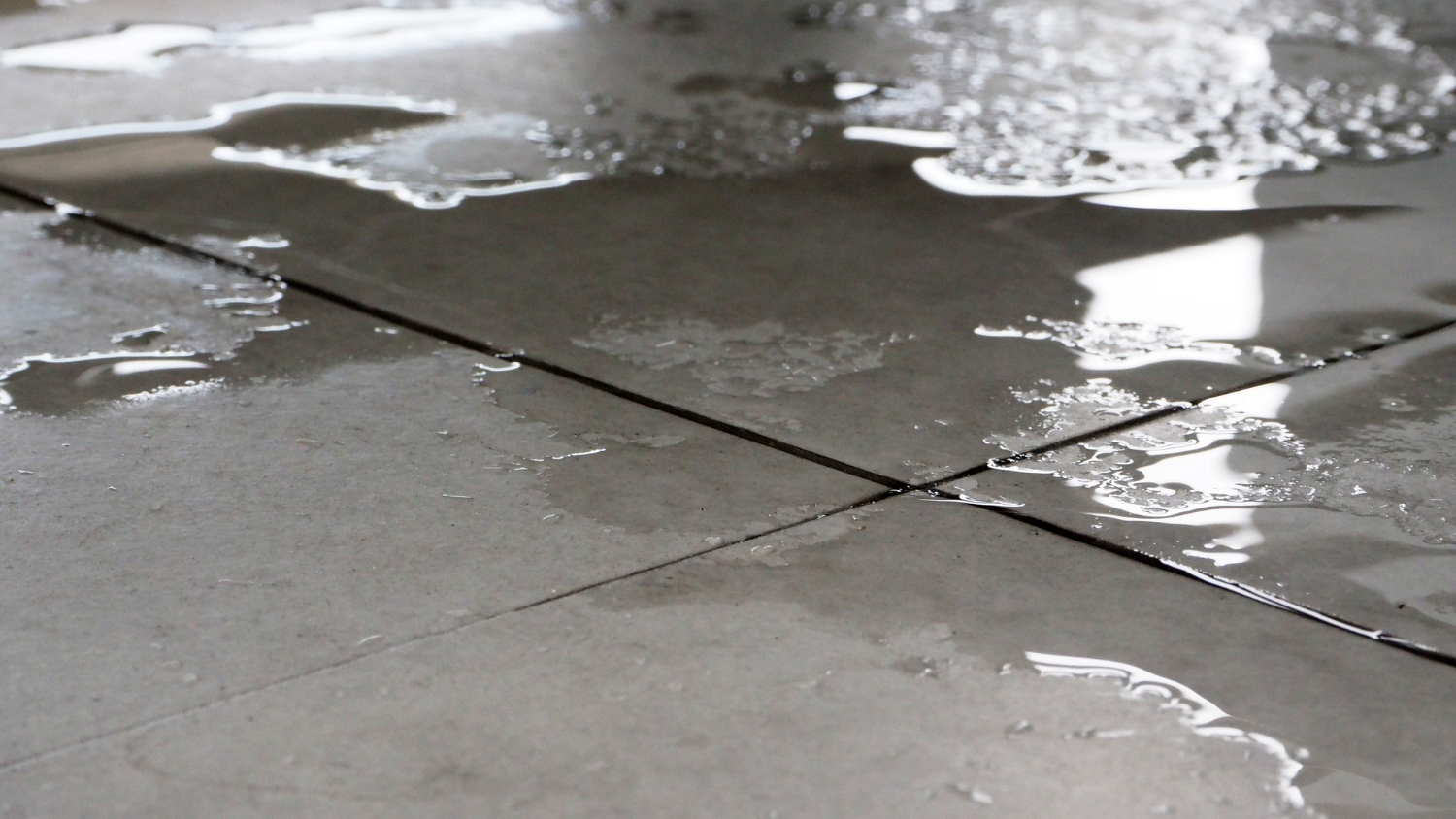


A hidden slab leak is one of those plumbing problems that can catch you completely off guard. It’s out of sight, often out of mind, and by the time any signs start to show, damage might already be underway. These leaks happen underneath the foundation of your home, where the pipes are hard to reach and even harder to monitor without help. The longer a slab leak stays unnoticed, the more expensive and damaging it can get.
San Antonio homes, especially older ones or those with shifting soil, are more likely to deal with slab leaks. The climate plays a role too. Winter in this area doesn’t usually bring snow, but the temperatures can dip low enough at night to put stress on your plumbing. Changes in groundwater levels, dry spells, and soil movement add even more strain on the pipes beneath your house. That’s why it pays to know what signs to look for before a small problem turns into a bigger one.
Common Warning Signs Of A Slab Leak
Slab leaks don’t usually announce themselves loudly. Instead, they show up in small but strange ways around your home. If you keep an eye out, you can spot a few clear red flags before serious damage takes hold.
Here are some of the most common warning signs that you might have a slab leak under your home:
– Water bills that rise for no clear reason. If your usage habits haven’t changed but the price has, something could be leaking out of sight.
– Warm or damp spots on hard floors. If a part of your tile or hardwood shifts in temperature or feels spongey, don’t ignore it.
– The sound of running water when taps are off. If it sounds like water is moving through pipes when nobody is using anything, it’s worth checking.
– Low water pressure in showers or sinks. A slab leak can cause your home’s water flow to drop because some of your supply is leaking out before it reaches the faucet.
One homeowner in San Antonio noticed a persistent warm patch in the middle of their living room floor right after the new year. At first, they blamed it on sunlight through the windows. When that didn’t add up, they called in help. Turned out, a hot water pipe had been leaking under their slab and was heating the concrete from below. Catching it early saved the flooring and kept the repair costs way down.
Don’t just treat these signs as random problems. One by one they might seem small. But together, they often point to something beneath the surface.
Diagnosing The Problem Early
It’s one thing to notice something odd. It’s another to figure out what’s really going on and where it’s coming from. Diagnosing a slab leak can feel a little like solving a mystery. You won’t always find puddles or hear dripping. If you’re not sure what to look for beyond the basics, these simple checks can give you extra clues.
Start with your flooring. Take a closer look under rugs, especially in areas near walls. Do you see spots of mildew or mold creeping across? Even a faint odor of dampness could be a sign that water is coming up from underneath. Flooring that shifts, bubbles or rises can also suggest moisture is trapped below.
Next, head outside. Walk the edges of your home where plumbing might connect between the house and yard. If the soil feels constantly damp despite dry weather or you notice moss, that could point to a leak underground.
Another smart move is to do a water meter test. Turn off everything inside your house that uses water—faucets, washing machine, dishwasher—and double-check that nothing’s running. Then head to your water meter and watch to see if it continues to spin. If it’s still moving, that means water is flowing somewhere you can’t see.
Spotting slab leaks early means you can deal with them before they worsen. Acting on these clues won’t solve the leak, but they can help you catch the issue before it spreads. Early detection makes all the difference when it comes to keeping costs low and protecting your home.
Preventative Measures And Immediate Actions
Even if you haven’t dealt with a slab leak before, there’s no harm in keeping an eye on your plumbing. A few simple habits around the house go a long way in catching problems early or even avoiding them altogether.
Start by paying attention to your water pressure. If it drops suddenly or feels inconsistent day-to-day, that could point to a leak under the foundation. It’s easy to brush off a weak shower stream or a slow-filling toilet, but those changes may mean something is off below the surface.
Your water heater can also provide clues. Leaks in hot water lines under the slab may cause the heater to run more than usual. If it’s working harder for no reason, get it checked before assuming it’s the heater itself.
Here are a few solid steps homeowners can take:
– Check your water meter every month. Knowing your regular use makes it easier to spot abnormal changes.
– Walk through rooms that have hard flooring at least once a week and feel for dampness or warmth.
– Make sure outside spigots and irrigation systems are inspected before and after the winter season, especially if the weather drops below freezing.
– If your plumbing pipes are older or your home shifts often on its foundation, request regular plumbing inspections.
If you suspect a leak, don’t try to fix it alone. Digging into the foundation or attempting to cap a line without the right tools can cause more harm than good. Calling for help right away helps minimize long-term damage like mold growth, cracked flooring, or weakened structure.
Why Professional Slab Leak Detection Makes A Difference
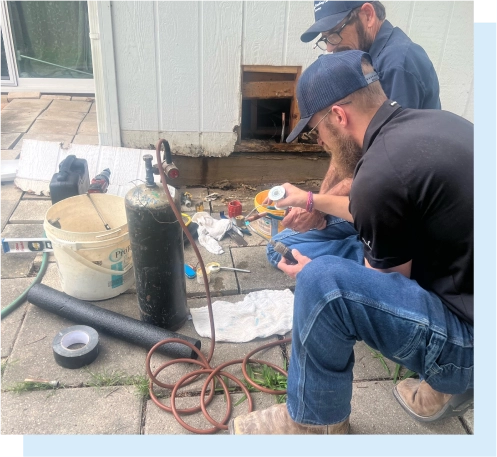
When it comes to spotting a slab leak, guessing is rarely helpful. You need accurate information and fast results to stop the leak and protect your home. That’s where professional detection services stand out. They use equipment that finds the exact location of the leak without tearing up half your living room.
Experts can pinpoint small leaks through sound, pressure testing, and thermal scans. This avoids unnecessary damage to your floors or walls and gets repairs done quicker. The technology they use cuts down on risk and helps you avoid surprise costs from misdiagnosed problems.
Beyond detection, pros can also explain why the leak occurred. Sometimes it’s corrosion, poor installation, or shifting soil under your home. Knowing the cause means you can fix the issue and keep it from coming back.
Getting that kind of insight helps with long-term planning. You’ll know what needs extra care over time and which parts of your plumbing may need upgrades down the road. It’s peace of mind that lasts well beyond the first repair.
How to Keep Your Home Protected Moving Forward
Slab leaks might be hidden under your home, but the warning signs are right in front of you if you know where to look. From small changes in your water bill to warm spots on the floor, these clues are the first line of defense. Combine a watchful eye with a few smart actions, like checking water pressure and looking under rugs, and you can get ahead of the damage.
Living in San Antonio means dealing with weather shifts and changing soil conditions. That’s just part of the package. But it doesn’t mean you have to live with the stress of sudden slab leak surprises. Knowing what to check for, acting fast, and trusting professionals to handle the tricky work can make a huge difference.
Catching leaks early keeps your home stronger, your floors safer, and your days smoother. When it comes to slab leak detection, being alert and prepared is always the better choice.
When dealing with plumbing issues, don’t wait for a small concern to grow into a costly repair. Even subtle signs like sudden spikes in your water bill or warm spots on your floor can point to a bigger problem beneath the surface. If you’re noticing anything unusual, it’s a good time to explore how our team at George Plumbing Co., Inc. can help through reliable slab leak detection. Taking action early can save you stress and protect your home from deeper damage.