

A slab leak might not sound serious at first, but ignoring one can do more than just raise your water bill. It can soften your foundation, cause structural damage, and set off a chain of expensive repairs. When temperatures drop in January, hidden plumbing can shift, crack, or weaken, sometimes without much warning. These early cold weeks are when we see signs start to show, especially under homes built on concrete slabs.
We have worked with more than a few homeowners dealing with a slab leak in San Antonio. What they usually have in common is they were not expecting such big trouble from something they could not see. That is why knowing the signs matters. If caught early, a slab leak does not have to spiral into major damage. This is a good time of year to stay alert and take note of anything unusual around your home.
Early Signs Something Might Be Wrong
Spotting a slab leak usually starts with strange changes that do not have a clear source. You might not know right away what is going on, but these clues can get you closer to an answer.
• Your water bill starts climbing even though your usage has not. This is often the first sign something is leaking below the surface.
• Warm patches on hard floors. If part of the floor feels strangely warm, that could be from a hot water line leaking beneath the concrete.
• The sound of running water when nothing is turned on. If you hear water flowing with no washer running, no faucet on, and no toilet in use, something could be wrong underground.
None of these signs on their own confirm a leak, but they are worth taking seriously, especially if more than one is showing up around the same time.
What to Look for Inside and Outside the Home
Once odd sounds and high bills pop up, it is smart to look around and see what else might point to a problem. Damage from a slab leak can appear both indoors and outdoors over time. Most of what you will notice starts small.
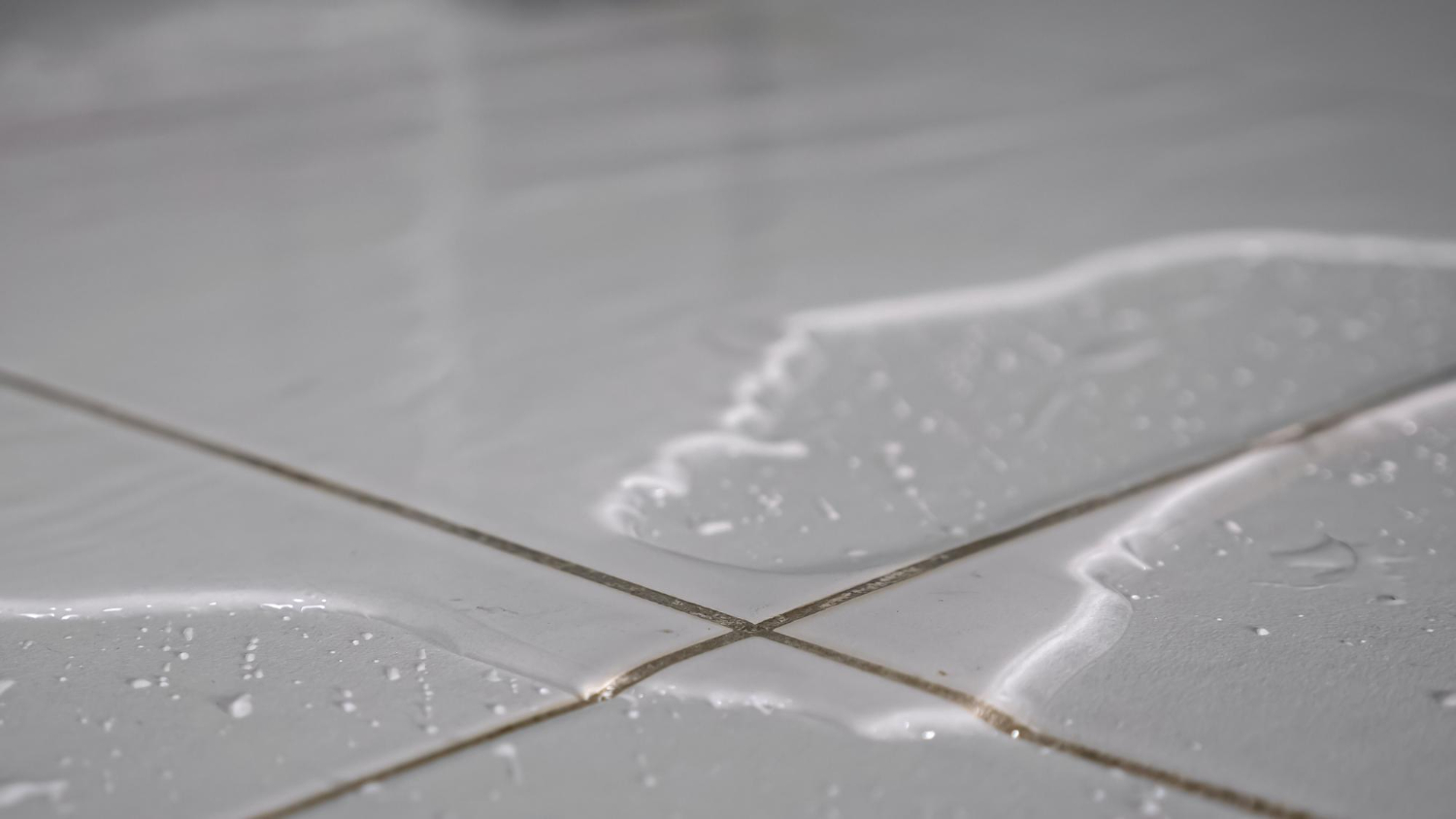
• Look for damp spots on flooring, especially in areas that are not near sinks or appliances. Carpet may feel soggy, tile may lift, and hardwood might start to warp.
• Check around baseboards and wall corners. Cracks in walls or floor tiles that were not there before can hint at structural shifting due to water below the slab.
• Outside, pay attention to unusually soft soil near your foundation. If you see pooled water or unusually wet landscaping when it has not recently rained, that could be tied to a leaking underground pipe.
These signs stick around even when the weather changes, and they often worsen over time if ignored.
Why Slab Leaks Happen More Often Than You Think
It surprises a lot of people to learn how common slab leaks actually are, especially in older neighborhoods or homes built decades ago. The reasons range from age to soil conditions to water quality.
• Pipes buried under concrete take on years of wear. Time alone can break down older materials and lead to tiny leaks that grow bigger.
• In San Antonio, soil movement plays a part too. Our clay-rich soil expands and contracts based on moisture, pushing foundation slabs around just enough to stress the pipes beneath them.
• On top of that, hard water does not help. The minerals in it can eat away at metal pipes from the inside, especially when water pressure is not balanced properly.
Many of these causes take years to show themselves, which is why the damage can seem so sudden. But the actual changes happen slowly until something finally gives.
Winter Conditions and Slab Leaks
Even in San Antonio, January brings sharp temperature swings. Cold nights and mild afternoons put your plumbing through quick shifts in pressure and density. Pipes under concrete do not have the insulation your indoor plumbing might have, so they take the brunt of those changes.
• Colder air can lead to contraction in pipes. If they are old or already weakened, that pressure change might be all it takes to cause a break.
• Warm water running through cold pipes causes expansion. That quick back and forth between hot and cold puts stress on metal piping.
• Foundations can shift slightly with changing soil moisture or temperature fluctuation. That movement pulls on the pipes, especially where they are fixed in place beneath the slab.
These kinds of changes do not always cause leaks right away, but they can be the final push if problems were already forming. Slab leaks often become visible during the winter simply because of how much extra pressure the pipes are under.
When to Stop Guessing and Call in Help
There comes a point when guessing at the problem is just not worth the risk. If you have been noticing signs that keep coming back or are getting worse, it is time to act. Waiting means more repairs and a bigger bill later on.
• Unexplained water noise, rising bills, or soft patches in flooring that will not dry are no longer minor hassles once they start adding up.
• The longer water runs beneath your slab, the more damage it causes to flooring, drywall, and even the slab itself.
• Small cracks can turn into foundation issues. Water weakens everything it touches over time, and once mold sets in or floors shift, the costs climb fast.
Calling for help before things get worse saves both money and headaches. The earlier you know what you are dealing with, the more options you have for repair that will not disrupt your home.
Comprehensive Leak Detection and Plumbing Services in San Antonio
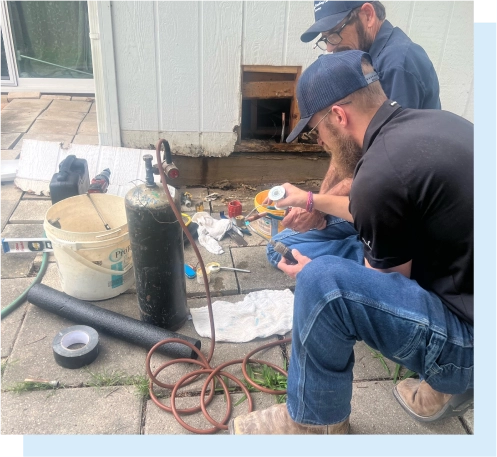
George Plumbing Co., Inc. offers professional leak detection services to help find the exact source of your problem, including slab leaks, water line leaks, and sewer drain issues. The team is licensed to handle necessary repairs or replacements for pipes under foundations and can assist with related plumbing needs, such as water heater evaluations and water softener installations to address hard water issues that contribute to pipe damage.
Stop Damage Before It Starts
We always recommend staying alert to the signs, especially during January when homes are closed up tight and plumbing systems are under more pressure. Even one sign of a possible slab leak should put you on alert, particularly if your house is older or built on a foundation without crawl space access.
If your floor feels warm in an odd spot, your bill will not stop climbing, or you notice a musty smell coming from a hard floor area, do not wait and hope it goes away. Catching a slab leak early is the best way to keep it from spreading. Keep an eye on your floors, your bill, and your water sounds this winter. If something feels off, it probably is.
Noticing unexplained warm spots on your floors or higher water bills could signal a slab leak in San Antonio. At George Plumbing Co., Inc., we understand how quickly these issues can escalate, especially during the colder weeks of winter. Staying alert to small changes in your home can help prevent a bigger problem down the line. Reach out to our team for trusted advice or a second opinion whenever you spot these warning signs.